OMTech Laser Guides for Better Tests and Cleaner Handoffs
Build a practical reference set around material screening, focus, airflow, cooling, settings matrices, inspection, cleaning, and operator training. The aim is a result another person can reproduce—not a pile of generic presets.
Open the learning path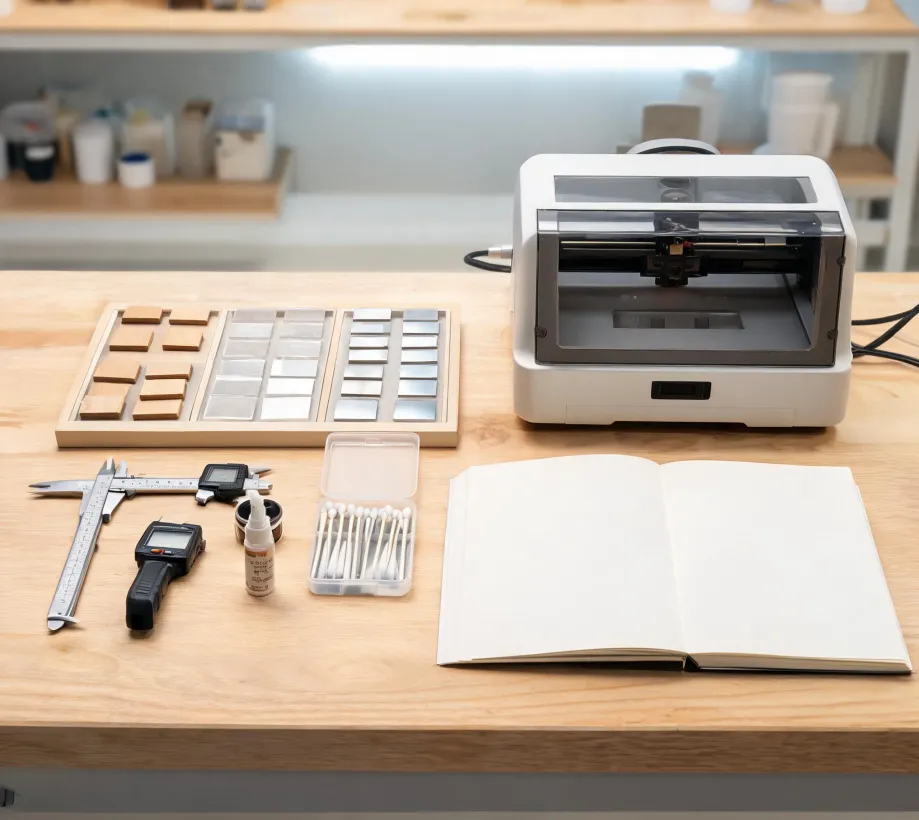
The Useful Settings Library Starts With a Controlled Sample
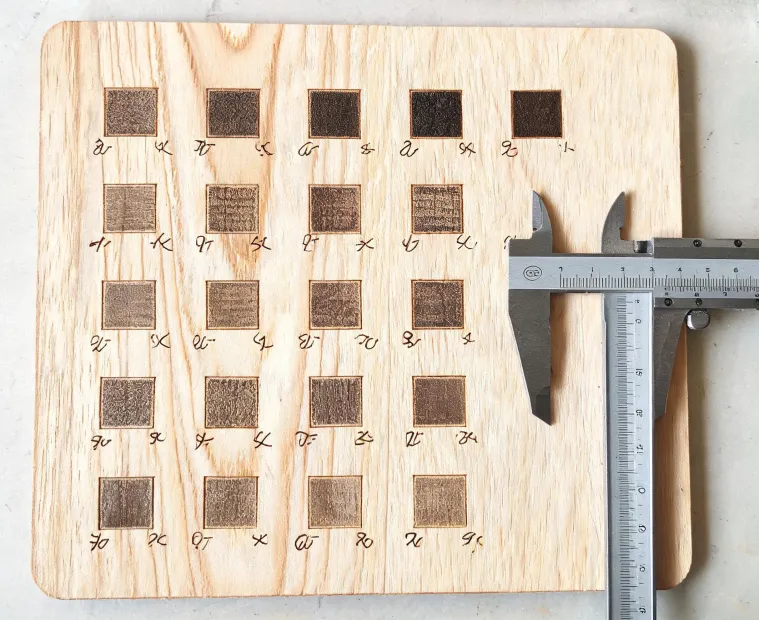
A speed-and-power pair is incomplete without the machine family, rated source power, lens, focal position, material supplier, thickness, color or coating, batch, air or gas condition, cooling state, and desired result. Record those variables before naming a setting “proven.”
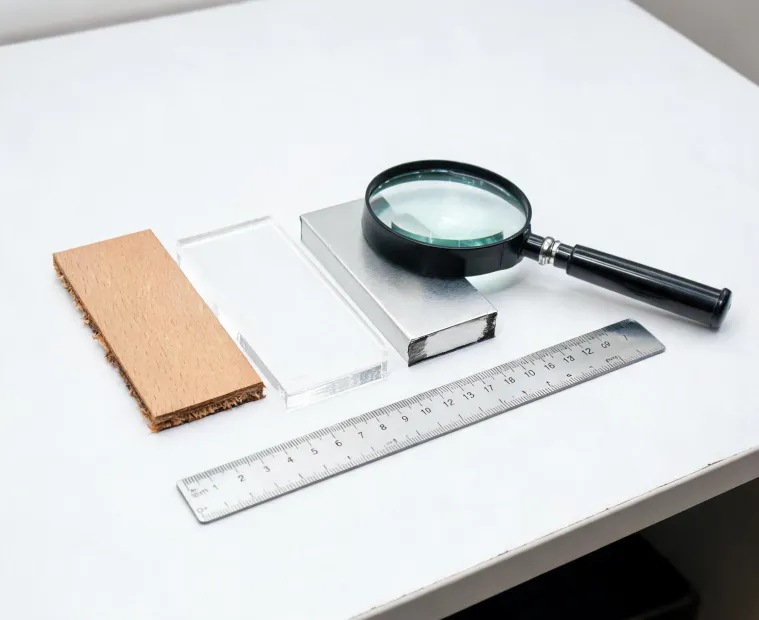
Begin with a small matrix that changes one variable at a time. Inspect cut-through, kerf, edge color, engraving depth, contrast, heat effect, residue, or seam appearance under consistent light. Keep the labeled sample. When a new batch behaves differently, the physical reference makes the change visible.
“A repeatable setup is a chain of conditions. The number on the control screen is only one link.” OMTech workshop principle
Use the Guide That Matches Today’s Task
These tracks organize questions by workflow. They do not replace the machine manual, material safety information, local code requirements, ventilation engineering, or supervised training.
Identify the substrate and any coating before processing. Unknown plastics, PVC-containing materials, halogenated compounds, and materials with uncertain fumes require a stop-and-verify decision. Review supplier safety documentation and machine guidance before testing.
Confirm usable bed dimensions, fixture height, head clearance, lens choice, focal distance, bed level, and part flatness. A larger nominal bed does not remove travel limits, clamping needs, or loading clearance.
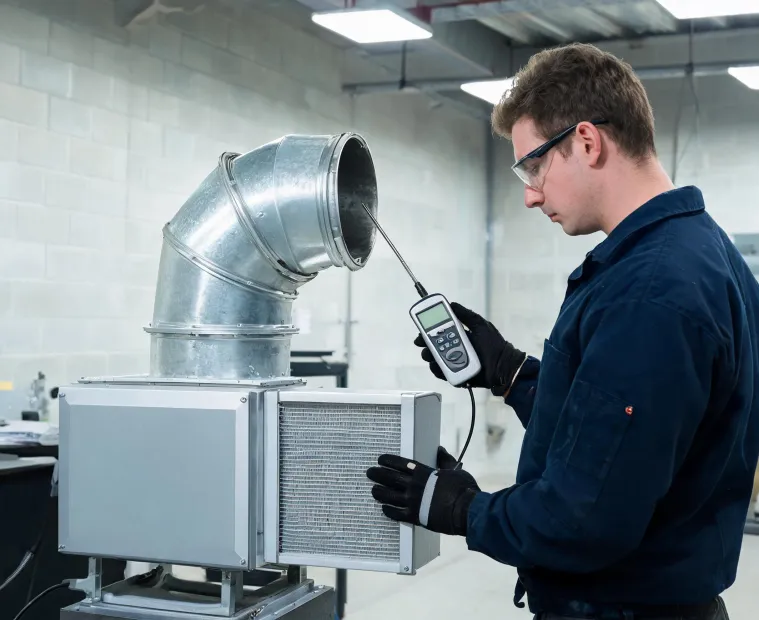
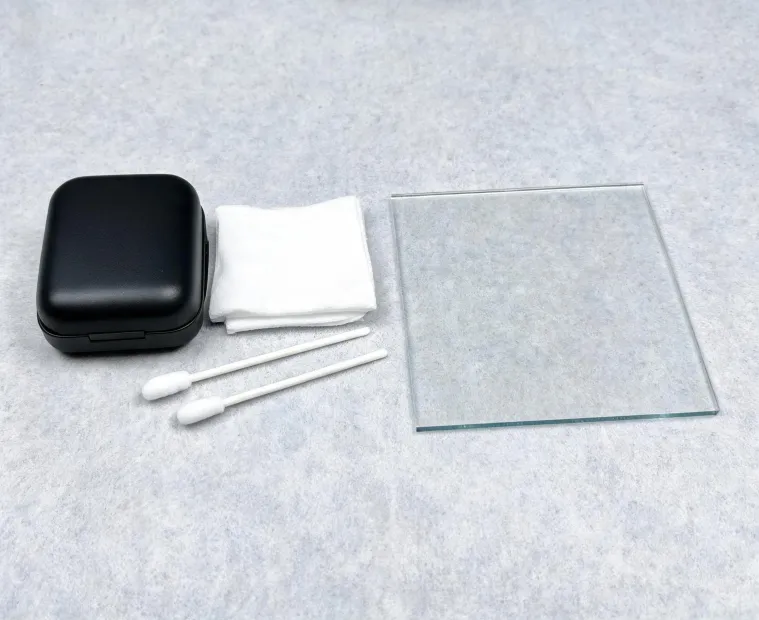
Check airflow at the enclosure after ducts and filters are installed. Track cooling temperature and cleanliness according to the equipment documentation. Define mirror, lens, rail, bed, filter, nozzle, and debris checks by use condition rather than an invented universal interval.
Have the receiving operator demonstrate approved-material verification, startup, focus, extraction confirmation, test execution, result inspection, cleaning, emergency response, and shutdown. Record open questions before unsupervised use.
What a Good Setup Record Shows
Tell Us Which OMTech Workflow You Are Building
Share the machine family, material, part size, intended result, and the point where the process becomes unclear. The response can focus on the missing test variable instead of repeating a broad buying guide.
- CO2 cutting and engraving setup
- Fiber marking contrast and field planning
- Handheld welding readiness questions