Project Desk
Send your material and workflow details through the form. A clear starting brief helps route CO2 engraving, fiber marking, or handheld welding questions.
Response channelEmail follow-up from the inquiry recordUseful requests include the material, thickness, largest part, desired edge, mark, engraving, or seam, expected daily quantity, available utilities, and current operator experience. If a specification is unknown, leave it visibly unknown rather than guessing.
Send your material and workflow details through the form. A clear starting brief helps route CO2 engraving, fiber marking, or handheld welding questions.
Response channelEmail follow-up from the inquiry recordPrepare one representative sample from the real supplier batch. Include coating, thickness, dimensions, artwork or joint geometry, and the acceptance condition.
Before sendingRemove confidential geometry and mark hazards clearlyRequests are reviewed in queue order. Project complexity, missing material information, test requirements, and regional routing can affect the next step.
Best handoffA written brief that another operator can understand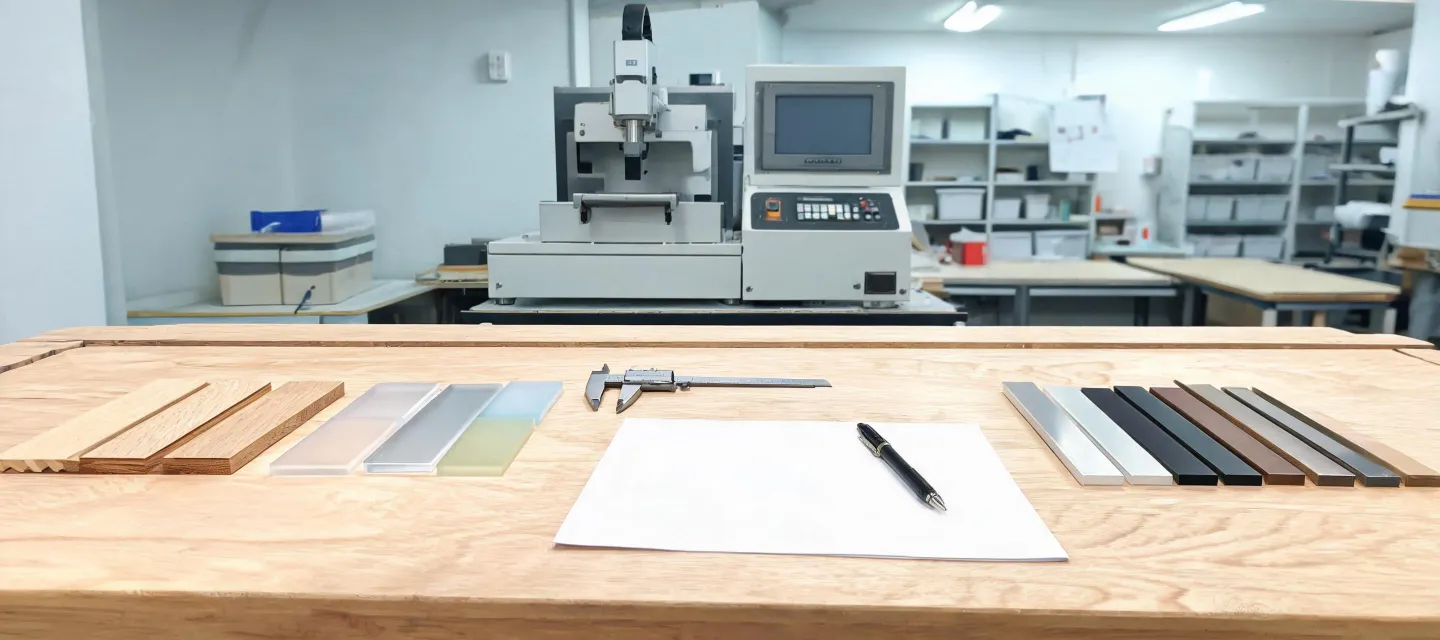
Material identity, thickness, part dimensions, target result, source family if known, current settings if applicable, observed defect, and a photo taken under consistent light. For facility questions, include power, cooling, extraction, compressed air or shielding gas, access, and available floor space.
For an existing process, separate the symptom from the assumption. Describe whether the problem is incomplete cut-through, excessive char, wide kerf, weak contrast, inconsistent depth, residue, heat distortion, porosity, or unstable repetition. Include the unchanged setup conditions as well as the variable you adjusted. That record prevents a second operator from repeating an unproductive test.
Machine guidance does not replace local electrical, fire, ventilation, occupational safety, or building-code review. Unknown materials require supplier documentation before any laser test.
Use the message field for the conditions that change the answer: material chemistry, coating, thickness, part size, lens or focal setup, required finish, quantity, ventilation path, cooling, and operator constraints.