Bring a material sample to the conversation.
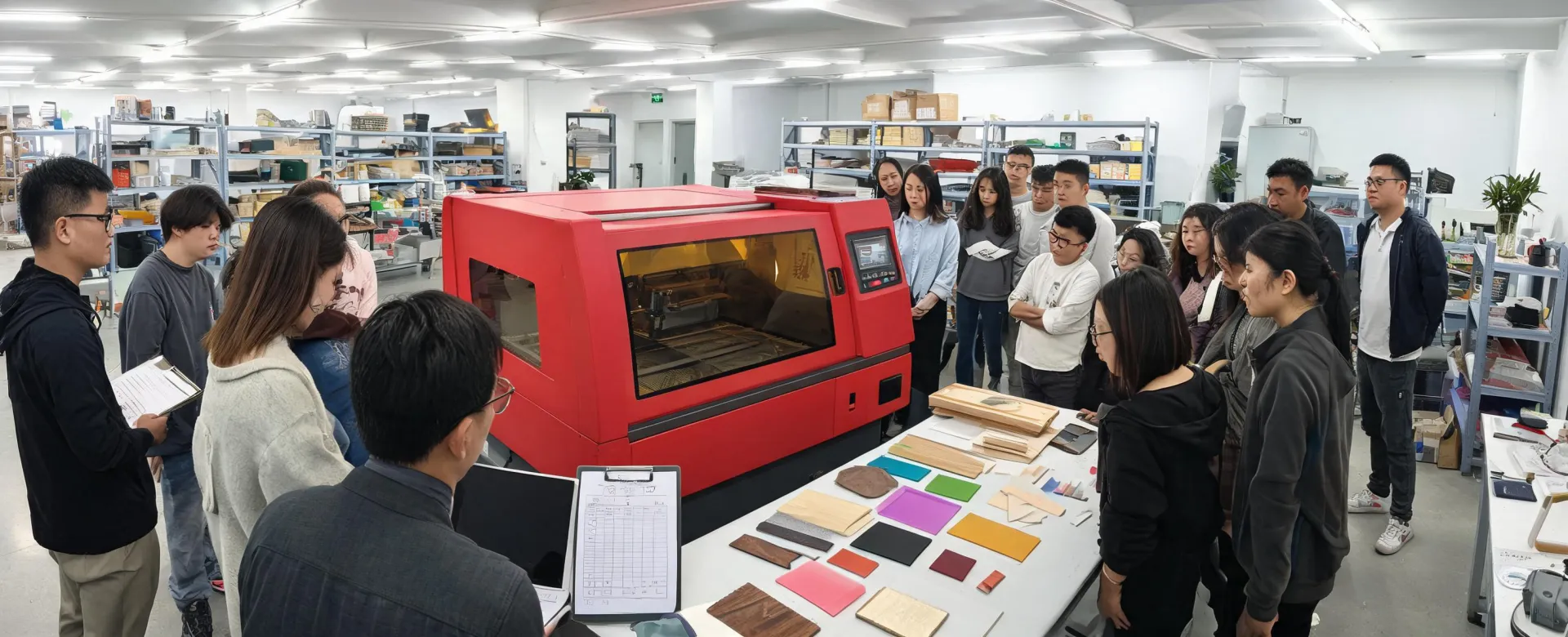
OMTech workshop learning session around laser equipment
A BRAND FOR PEOPLE WHO LEARN BY MAKING

Inside the OMTech Workshop Culture

We translate machine specifications into project questions that a first-time buyer, growing maker business, school lab, or production team can act on.

OUR MISSION

Make the decision easier to verify.

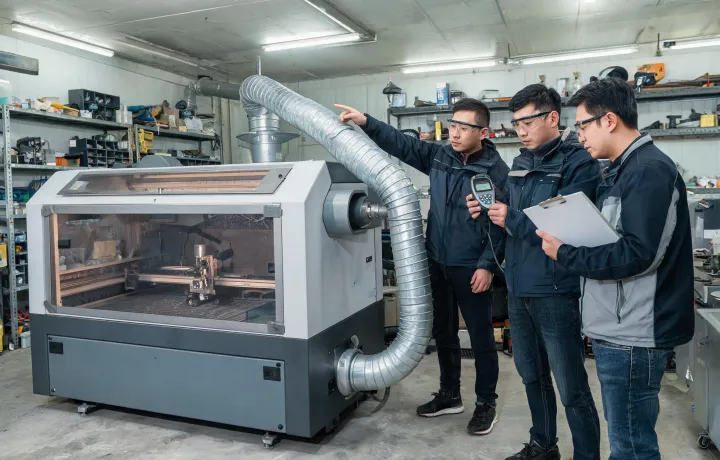
Laser equipment is not selected by a single number. The useful answer connects source type, wavelength, work area, optics, material response, airflow, cooling, facility limits, and operator routine. OMTech content is organized to help buyers expose those dependencies before committing time and floor space.

When factual customer assets are unavailable, we avoid invented testimonials and anonymous success claims. We use process descriptions, bounded technical ranges, sample-test methods, and clear limitations instead.
OUR VISION

Give every workshop a repeatable starting method.

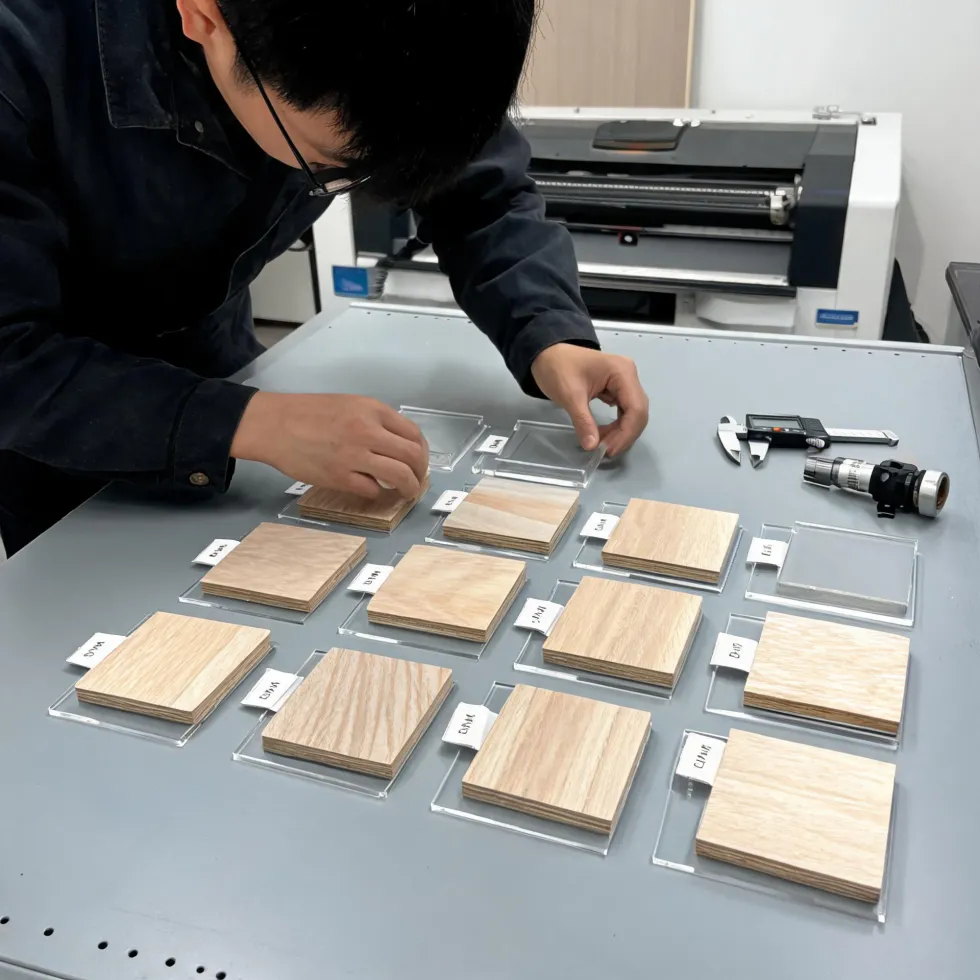
A maker moving from hand tools to a 40–100 W CO2 platform needs different guidance from a metal shop evaluating 20–50 W fiber marking or a 1500 W handheld welding class. The common thread is disciplined validation: identify the part, control variables, record the setup, inspect the result, and train the next operator.

That method turns a machine purchase into a workflow the team can explain, review, and improve.

HOW THE WORKBENCH OPERATES

Four Values You Can See in the Guidance

01

Plain-language precision

Technical terms stay tied to the material, test, measurement, or facility condition that gives them meaning.

02

Visible boundaries

Unknown plastics, reflective surfaces, poor extraction, unstable cooling, and untrained operation are treated as constraints—not footnotes.

03

Sample-led decisions

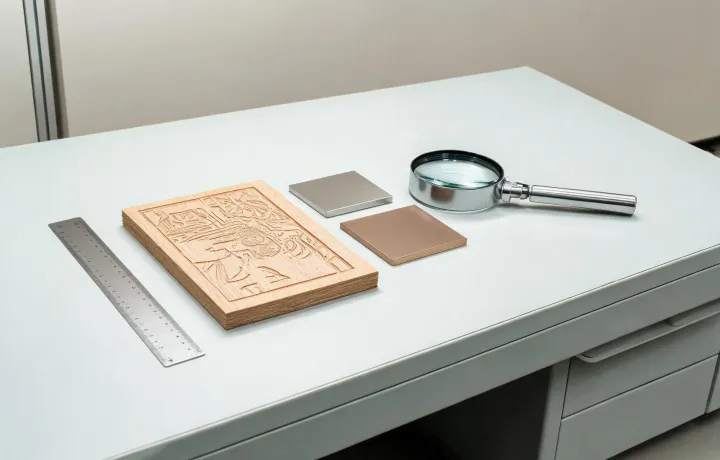
A labeled physical test and written settings record carry more decision value than a generic chart copied from a different machine and material batch.

04

Operator-ready handoff

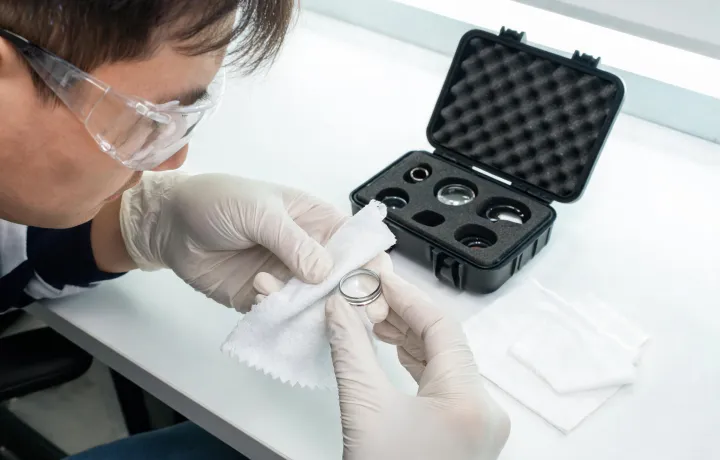
The setup is incomplete until a second person can follow the startup, focus, ventilation, cleaning, and shutdown sequence.

ADD YOUR PRACTICAL EXPERIENCE

Help Makers Ask Better Machine Questions

Experience in applications, service, ventilation, controls, fabrication, training, or workshop operations can make equipment guidance more useful. Bring the detail that helps another operator repeat the result.

Start a Conversation