CO2 CUTTING + ENGRAVING
Signage and Display
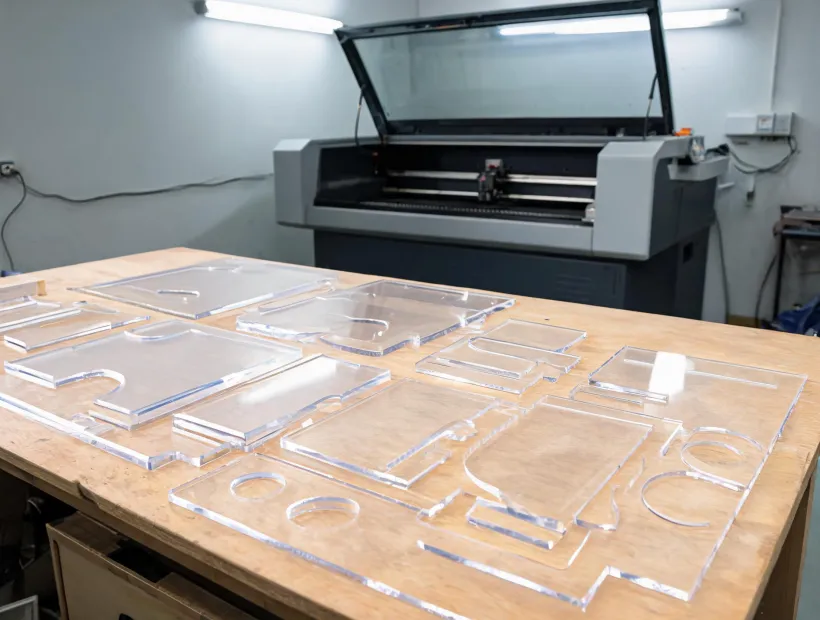
Acrylic letters, coated panels, wood inserts, and short-run display components require edge review, masking tests, flame control, and reliable extraction.
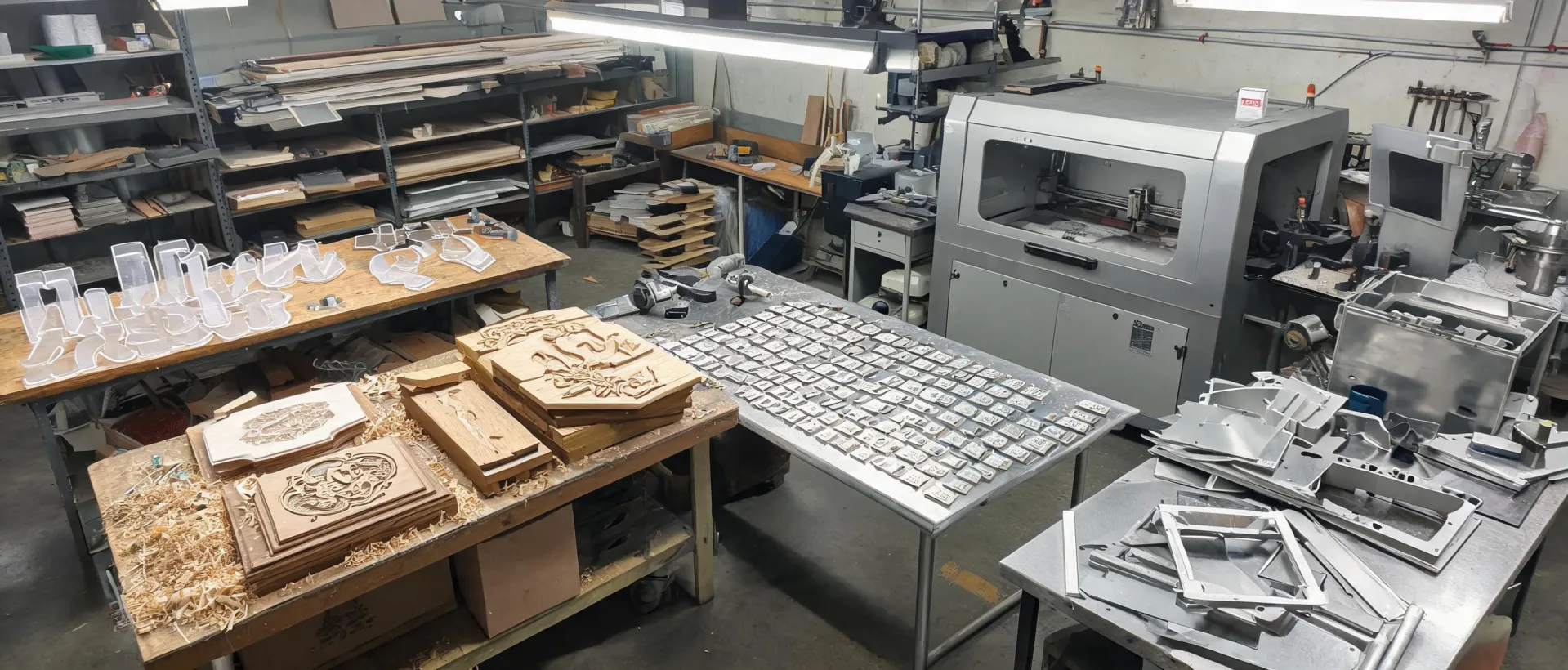
See how material, mark, edge, joint, throughput, and inspection needs shape the process choice across real workshop contexts.
These are decision frames, not production guarantees. Final speed, edge quality, contrast, and consumable life depend on the exact substrate, thickness, source, optics, settings, environment, and maintenance condition.
Acrylic letters, coated panels, wood inserts, and short-run display components require edge review, masking tests, flame control, and reliable extraction.
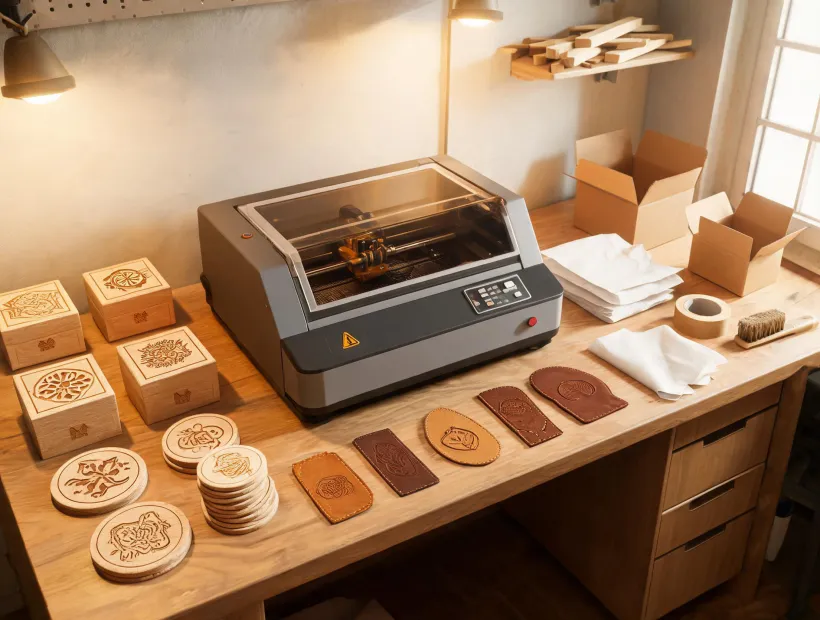
Mixed substrates and frequent artwork changes reward labeled material bins, focus checks, small test coupons, and a settings library tied to supplier batches.
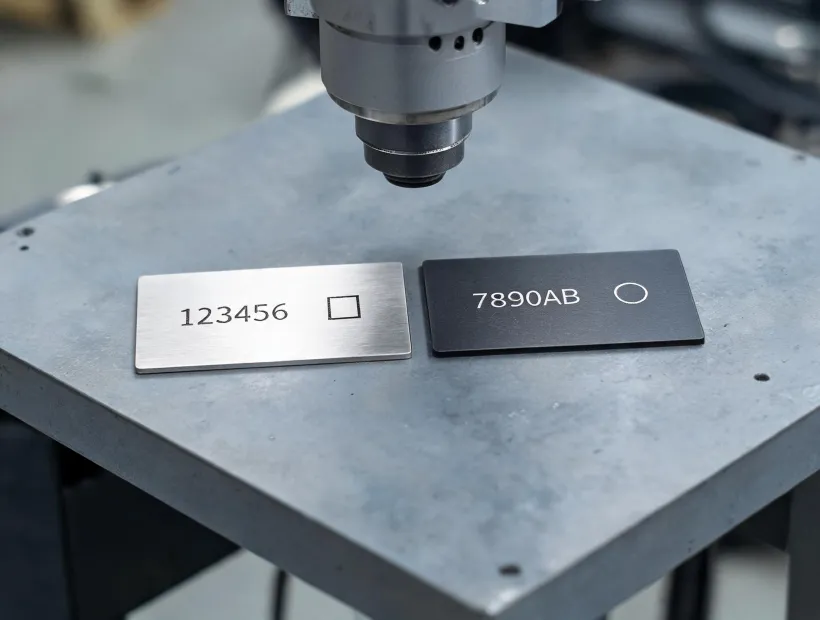
Asset tags, tool marks, serialized plates, and durable traceability work depend on alloy, coating, contrast target, lens field, focus, and verification method.
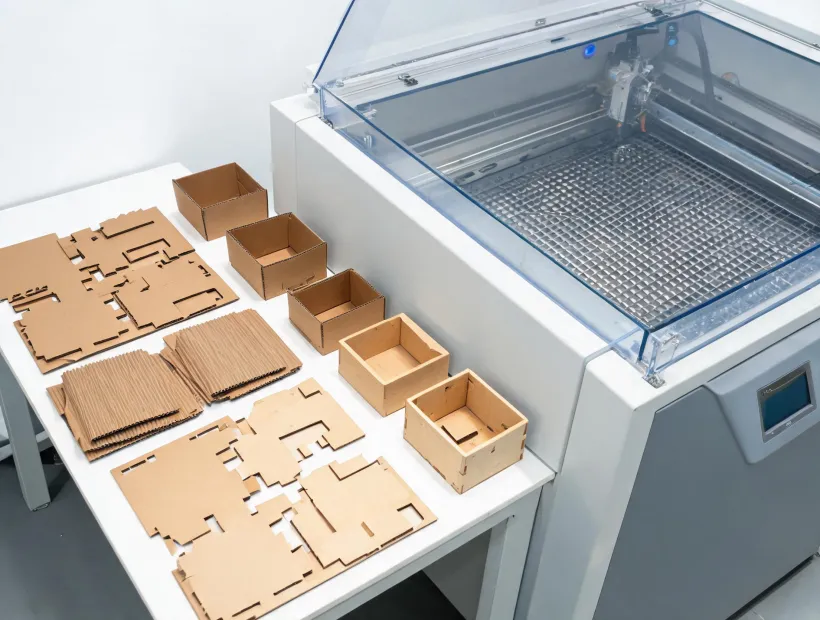
Rapid dieline trials and presentation models benefit from quick changeover, but smoke residue, kerf, flammability, and adhesive response must be evaluated.
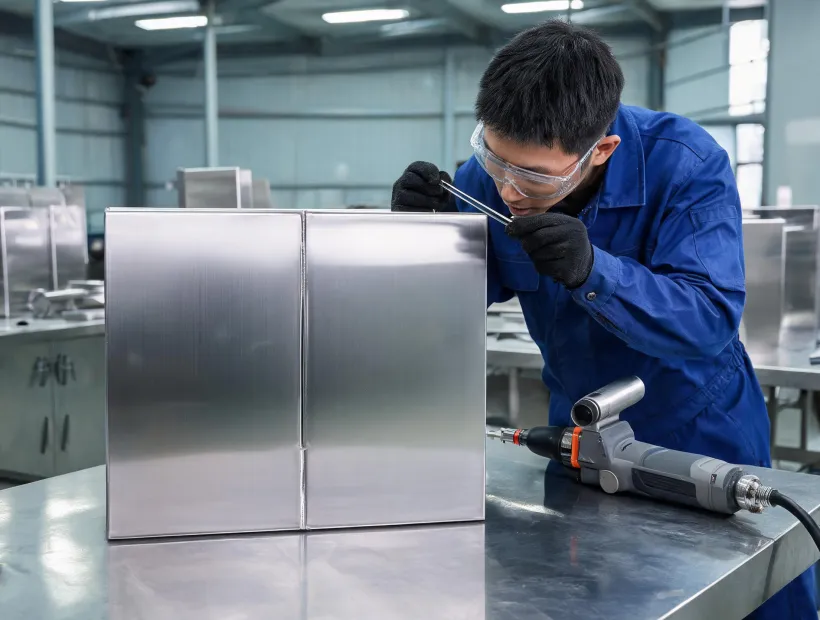
Cabinet, enclosure, and thin-sheet seams call for repeatable fit-up, compatible alloy, controlled shielding gas, PPE, training, and a documented weld acceptance check.
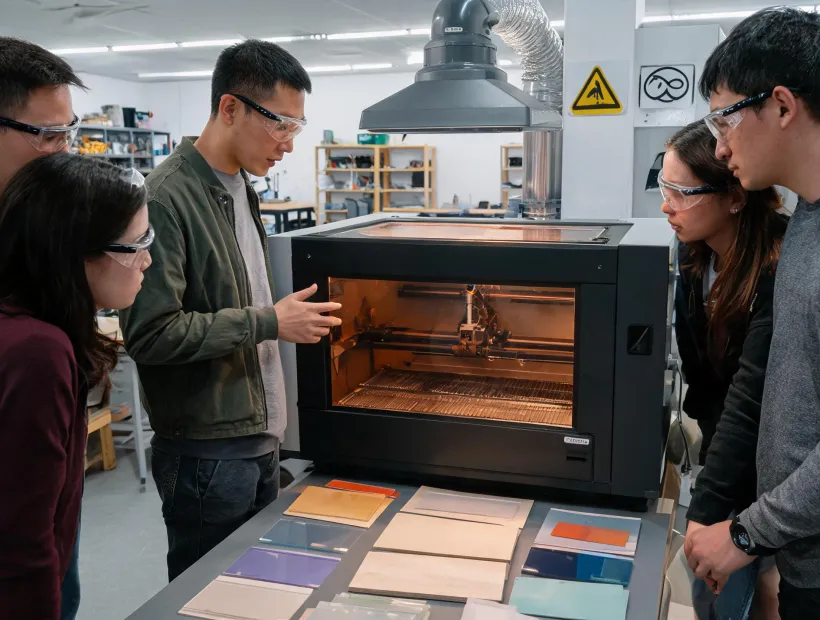
Shared equipment needs approved-material rules, enclosure discipline, extraction checks, instructor-controlled startup, clear shutdown, and maintenance ownership.
Also record lens, focus position, assist condition, material supplier and batch, ambient condition, observed edge or mark, and the inspection method. A number without its test condition is not a transferable recipe.
Tell us whether the job is a cut, engraving, permanent mark, or welded seam; include the substrate, thickness, maximum part size, daily quantity, and acceptable finish.